



Reading time: 10–15 minutes ⏱
Introduction: When the Shell Matters More Than the Core
Imagine buying a product whose packaging you can eat. Or a package that, after use, turns into a living plant pot. Or perhaps a package that talks to you and announces the expiration date not by a label, but by changing its own color.
These are not science fiction. They are a future being born right now, quietly, within biotech labs and material design studios.
The packaging of the future is no longer just a "container for transport." It is becoming a "companion organism" that lives, breathes, reacts, and finally disappears without a trace into nature's cycle — or transforms into a new resource.
This article is a journey to a horizon where cardboard and plastic give way to fungi, algae, transparent wood, and even intelligent nanoparticles.
1. The Death of Immortal Plastic: The Rise of Edible Biomaterials
One of humanity's greatest curses today is the "ugly immortality of plastic." But in the future, packaging will be mortal — and that is a feature, not a flaw.
Astonishing materials on the way:
- Hot-water soluble bags
: Made from corn starch and glycerin. After use, just drop them into boiling water to disappear. A prototype has been created for pasta and rice packaging.
- Milk protein (casein) packaging:
Not only biodegradable but also edible — available in different flavors and even fortified with vitamins. Imagine eating your cheese's packaging as an appetizer.
- Edible seaweed films:
In Indonesia and Japan, startups have turned ketchup and mustard packaging into seaweed-based blobs — like flavored caviar pearls. Just pop the whole blob in your mouth.
- Amazing fact:
These materials not only produce zero waste but sometimes also carry nutritional value. In the future, your breakfast packaging might provide your daily fiber intake.
2. Smart Packaging: A Shell That Talks to You
The future is not just green — it is also intelligent.
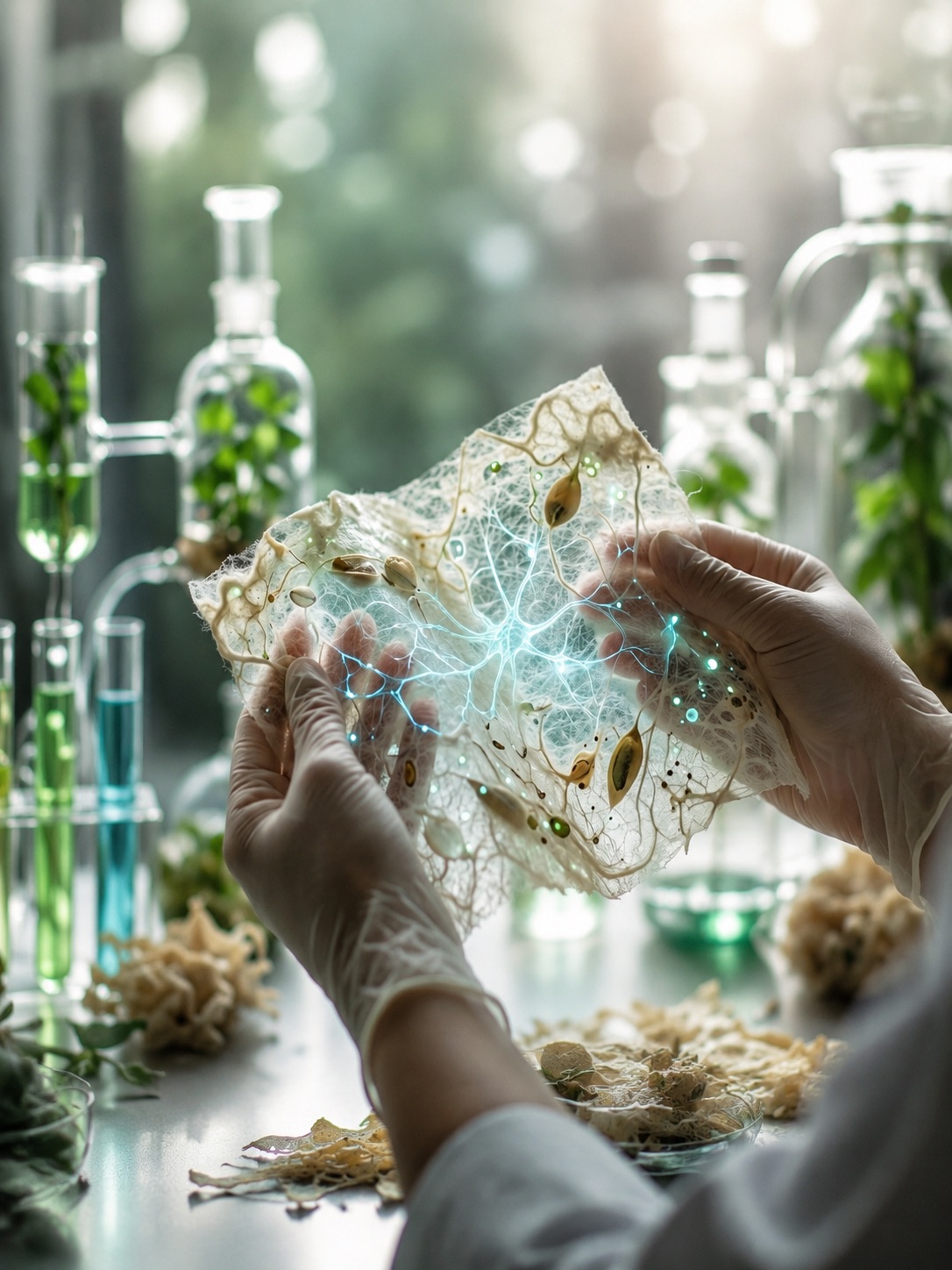
Packaging is no longer a mute box; it is a sensor that shouts the condition of its contents.
Three stunning innovations:
- Time-Temperature Indicators (TTI):
An ink that changes color from green to red as time passes and temperature rises. No more printed expiry dates. One glance tells you if the milk is fresh or spoiled.
- Gas nanosensor packaging:
When meat starts to spoil, it releases gases like ammonia. Nanoparticles in the packaging change color upon contact with these gases. They can even alert you via a mobile app of impending spoilage.
- Self-healing packaging:
Inspired by human skin. If the package gets scratched, nanocapsules containing healing agents rupture instantly and form a new layer. Goodbye to liquid leaks during travel!
Amazing fact:
In the future, medicine packaging could detect whether a patient has taken their dose — and if forgotten, alert the doctor's smartwatch.
3. The Era of "No Packaging":
A Hidden Paradox
Perhaps the most paradoxical future direction is reaching a point where packaging does not exist — but not out of poverty, rather out of abundance.
Ingenious strategies to eliminate packaging:
- Nanoscale edible coatings:
Instead of plastic-wrapping each apple or cucumber, an invisible thin layer of plant wax or chitosan (derived from shrimp shells) is sprayed onto the fruit. This layer reduces moisture loss and triples shelf life — and can be eaten along with the peel.
- "Liquid packaging":
For products like detergents and shampoos, the future points to super-concentrated tablets or powders. At home, consumers mix them with water in reusable bottles (bought once forever). The bulky liquid packaging shipping industry becomes obsolete.
- Store walls as "packaging":
Future stores keep bulk foods in smart glass silos. Customers bring their own containers (made of eternal glass or aluminum) and receive exactly the needed amount of rice, legumes, or even milk. The final packaging is your own container.
Amazing fact:
According to a study from Delft University of Technology, 40% of current packaging serves no functional purpose — it exists only for marketing or consumer habit. The future will tell the "naked truth of goods."
4. Living Packaging: When Fungi Build Houses and Packages
The biggest revolution is the fusion of packaging with synthetic biology.
Three tangible examples:
- Mycelium:
Ecovative uses mushroom roots and agricultural waste to make packaging that fully degrades in soil within 45 days, producing rich fertilizer. This material is also fire-resistant.
- Bamboo and kelp packaging:
With astonishing growth rates (kelp can grow 30 cm per day). Unlike trees that take decades, these materials are harvestable in months.
- Packaging containing bacterial spores:
When the package reaches a landfill, the bacteria inside activate and start the decomposition process from within. The packaging becomes "self-burying."
Amazing fact:
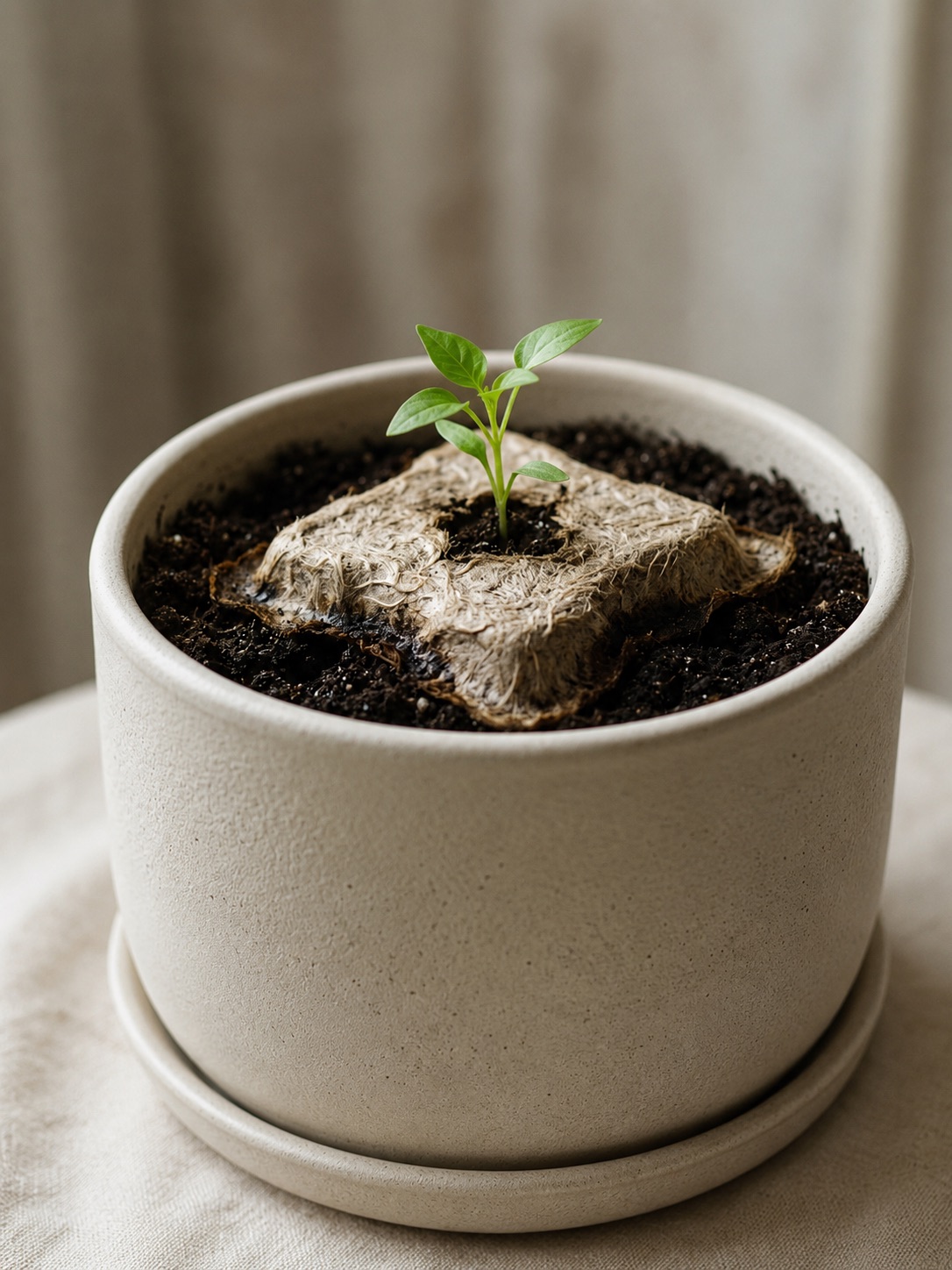
In the future, you might plant a product's packaging in a pot after use — and a tomato plant will grow from it. That is the complete circular economy loop: from seed to seed.
5. Nano-Architecture and Active Packaging
Beyond being passive, future packaging is reactive. It manages the internal environment.
- Nano oxygen scavengers:
Iron and clay nanoparticles absorb oxygen inside the package, preventing food oxidation. Shelf life of meat and fish extends from 3 days to 3 weeks.
- Antimicrobial packaging with nanosilver:
Silver nanoparticles break down bacterial cell walls. No need for chemical additives in the food itself.
- Moisture regulator:
Nanocellulose packaging can absorb excess moisture and release it when dry. Like intelligent skin for fruits.
Conclusion:
Packaging as the Product's Second Skin
The future era elevates packaging from "necessary waste" to "symbiotic organism." It will not only protect the product but also serve as messenger, health guardian, nutrient source, and finally fertilizer for the earth. Perhaps one day we will ask: "Why did we ever throw packaging away, when we could have eaten it, planted it, or turned it into a home?"
The future belongs to those who understand that saving the planet lies in redesigning the smallest things — even a cardboard box.
"The best packaging is the one you forget ever existed after opening it."